
30 Jun, 2026
Armenia and UNESCO Heritage: A Journey Through Millennia
Today, Armenia is home to three UNESCO World Heritage Sites, while eight elements of Armenian culture are inscribed on UNESCO's Representative List of the Intangible Cultural Heritage of Humanity. Together, they represent not only the nation's cultural treasures but also an important part of the world's shared heritage.
UNESCO World Heritage Sites
Haghpat and Sanahin Monasteries – Masterpieces of Medieval Armenian Architecture
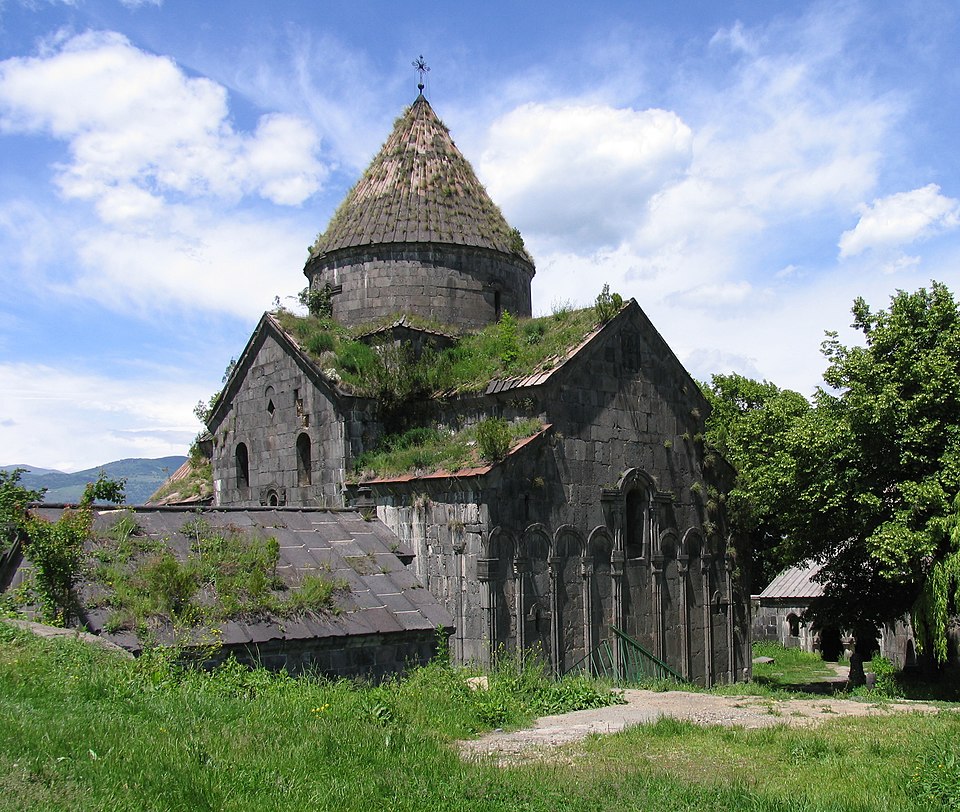
Nestled among the lush gorges of the Lori region, the monastic complexes of Haghpat and Sanahin are two of the finest jewels of Armenia's medieval heritage. Built between the 10th and 13th centuries during the Bagratid dynasty, they served as major spiritual, educational, and scientific centers of their time.
Manuscripts were copied here, while philosophy, theology, mathematics, and medicine were taught within their walls. Their remarkable architecture combines monumental simplicity with intricate stone carvings, and the surrounding mountain landscapes make these monasteries among the most picturesque destinations in Armenia.
In 1996, Haghpat and Sanahin were inscribed on the UNESCO World Heritage List as outstanding examples of the development of Armenian ecclesiastical architecture.
Echmiadzin and the Archaeological Site of Zvartnots – The Cradle of Armenian Christianity
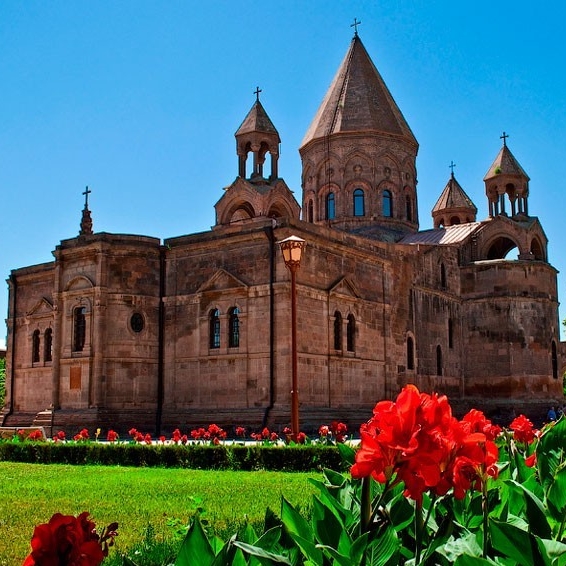
The spiritual heart of Armenia is Echmiadzin, the country's oldest Christian center and the seat of the Supreme Patriarch of the Armenian Apostolic Church.
According to tradition, Christ Himself appeared to Saint Gregory the Illuminator and indicated the location where the first cathedral should be built. For this reason, Echmiadzin is regarded as one of the world's oldest Christian cathedrals.
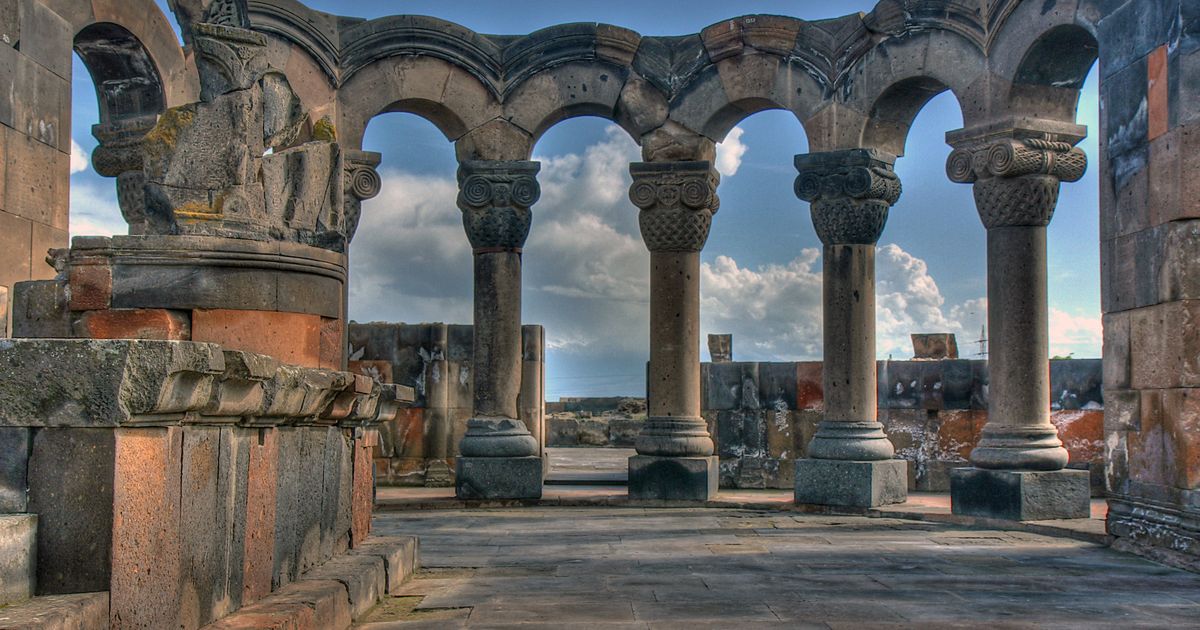
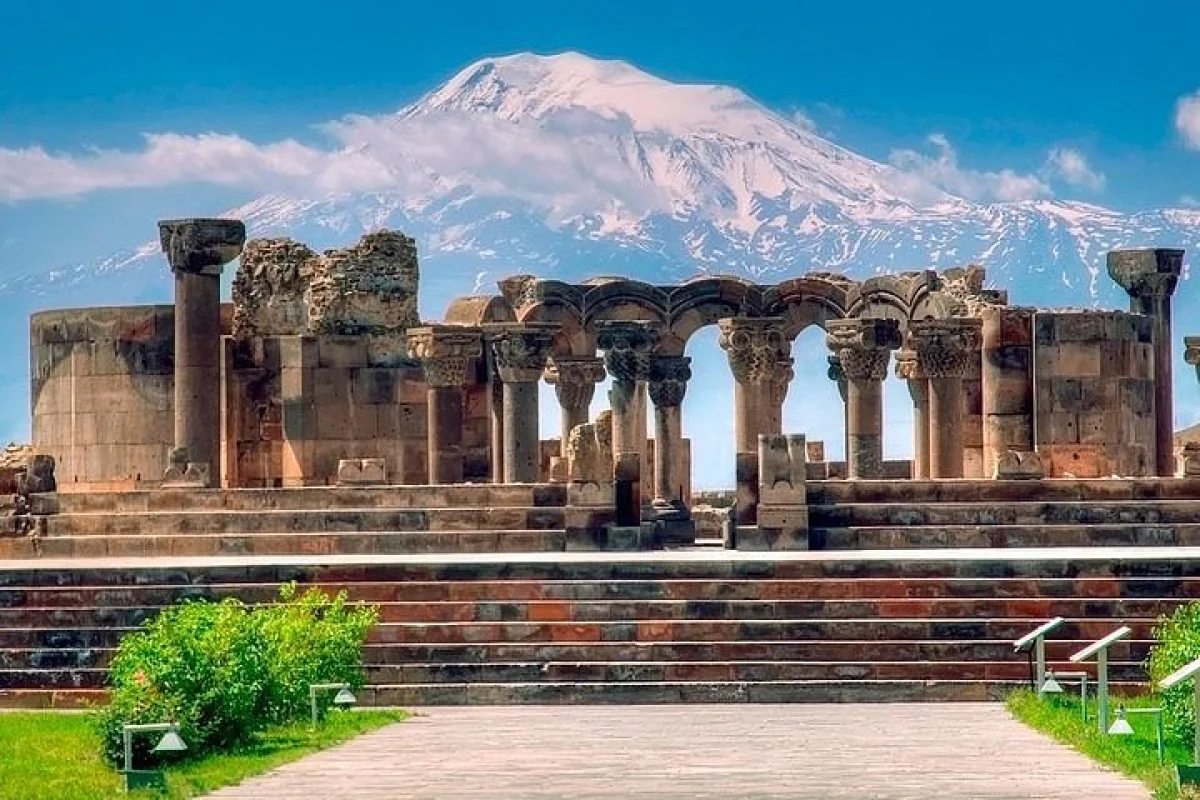
The UNESCO property also includes the ruins of the magnificent 7th-century Temple of Zvartnots. Although only its columns and foundations remain today, the site continues to impress visitors with its architectural brilliance. Scholars consider Zvartnots one of the boldest engineering achievements of early medieval architecture.
The complex was inscribed on the UNESCO World Heritage List in 2000.
Geghard Monastery and the Upper Azat River Valley
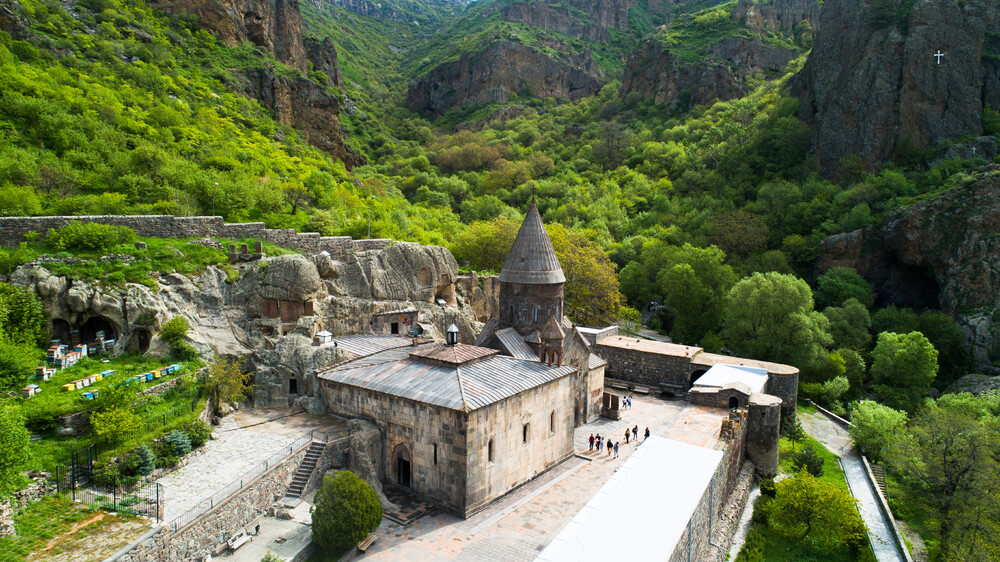
One of the world's most extraordinary monasteries is Geghard, a monastic complex whose most remarkable structures are carved directly into the surrounding cliffs.
The name "Geghard" means "spear," referring to the Holy Lance that, according to tradition, pierced Christ's side and was kept here for centuries.
The monastery is surrounded by the spectacular Azat River Gorge, with its dramatic basalt cliffs. The harmony between nature and architecture creates an atmosphere of profound tranquility and spiritual reflection.
Recognized for its exceptional integration of natural landscape and medieval architecture, Geghard Monastery was added to the UNESCO World Heritage List in 2000.
UNESCO Intangible Cultural Heritage
Armenia is celebrated not only for its ancient monuments but also for its living traditions that continue to be passed down from generation to generation.
Duduk – The Voice of the Armenian Soul
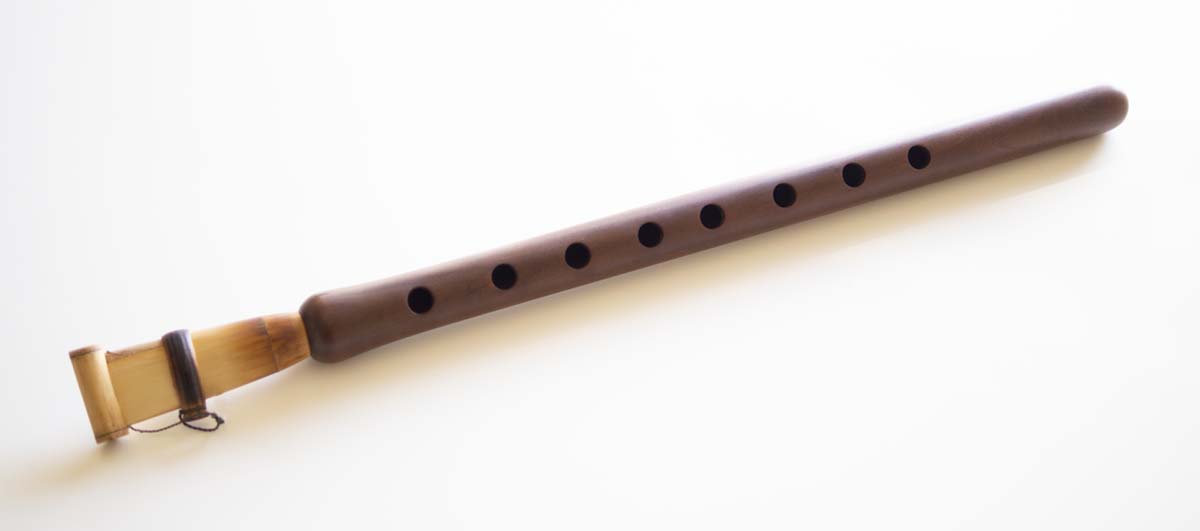
The warm, soulful sound of the Armenian duduk is unlike any other musical instrument. Its music expresses joy, sorrow, and the profound emotional depth of Armenian culture.
In 2008, the art of playing the Armenian duduk was inscribed on UNESCO's Representative List of the Intangible Cultural Heritage of Humanity.
Khachkars – The Art of Stone Prayer
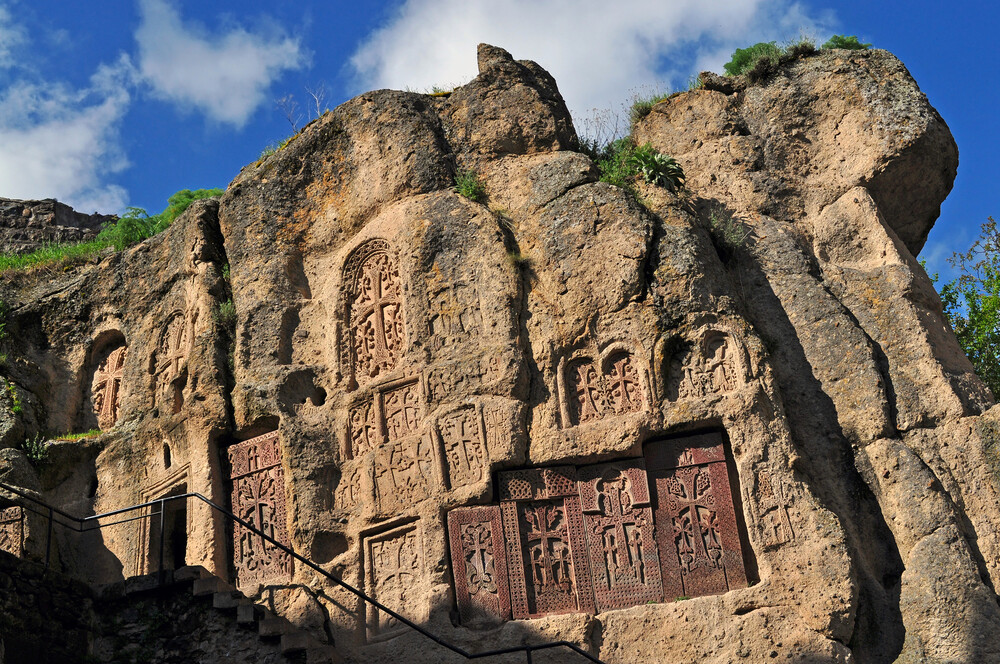
Armenian khachkars are far more than stone crosses. Each is a unique work of art adorned with intricate carvings symbolizing life, eternity, and spiritual renewal.
The craftsmanship of creating khachkars was recognized by UNESCO in 2010 as a unique cultural tradition of the Armenian people.
The Epic of David of Sassoun
For centuries, the heroic epic of David of Sassoun was transmitted orally, celebrating courage, justice, and devotion to the homeland.
In 2012, the performance tradition of this Armenian epic was recognized as part of UNESCO's Intangible Cultural Heritage of Humanity.
Lavash – Bread That Brings Generations Together
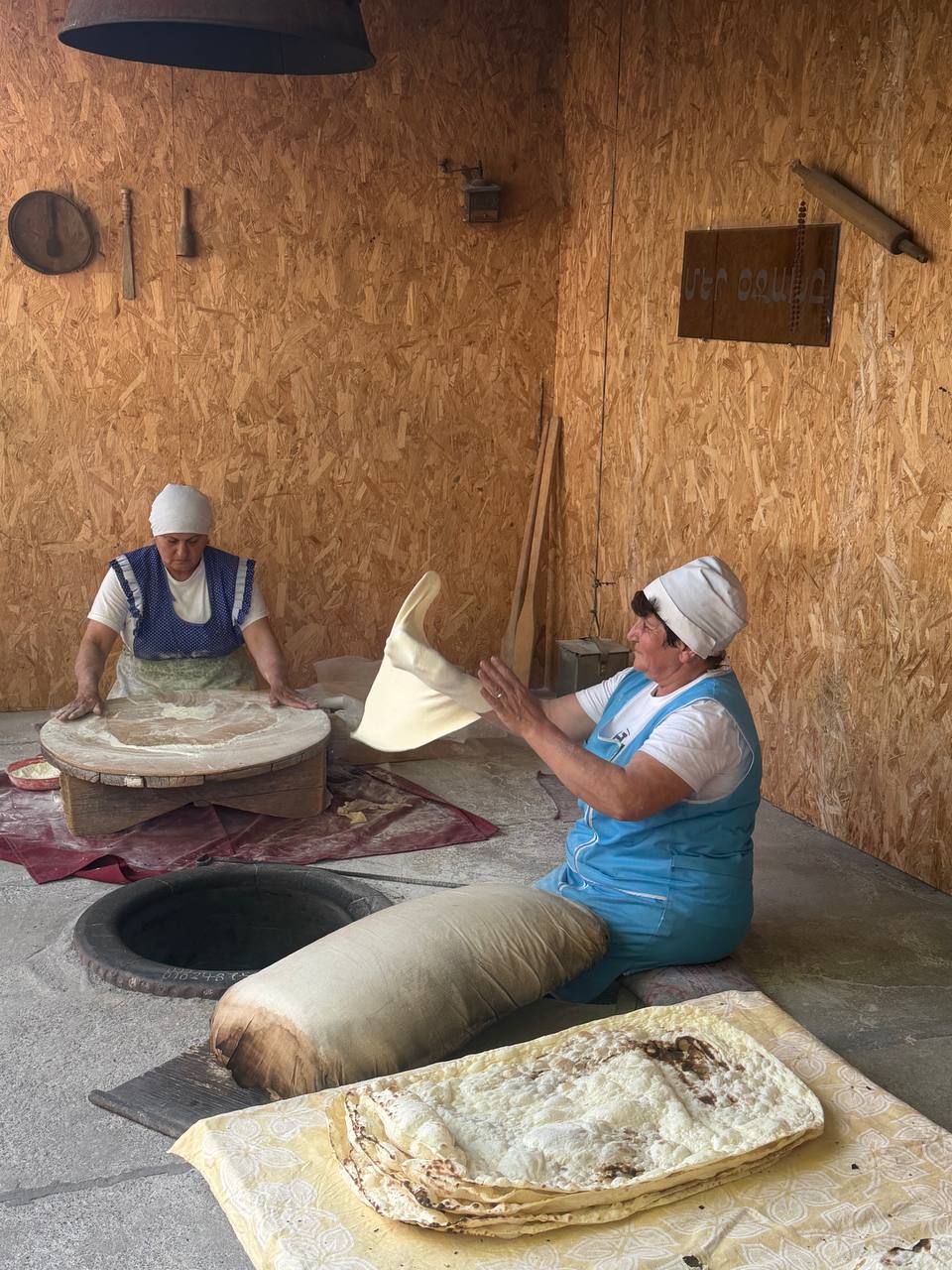
For Armenians, lavash is much more than bread. It is traditionally baked in underground clay ovens called tonirs, and the baking process itself brings together families and entire communities.
In 2014, the tradition of preparing lavash was inscribed on UNESCO's Representative List of the Intangible Cultural Heritage of Humanity.
Kochari – The Dance of Unity
Kochari is a dynamic traditional dance performed during public festivals and family celebrations. It symbolizes strength, unity, and solidarity.
In 2017, Kochari received international recognition through its inscription on UNESCO's Representative List of the Intangible Cultural Heritage of Humanity.
Armenian Letter Art
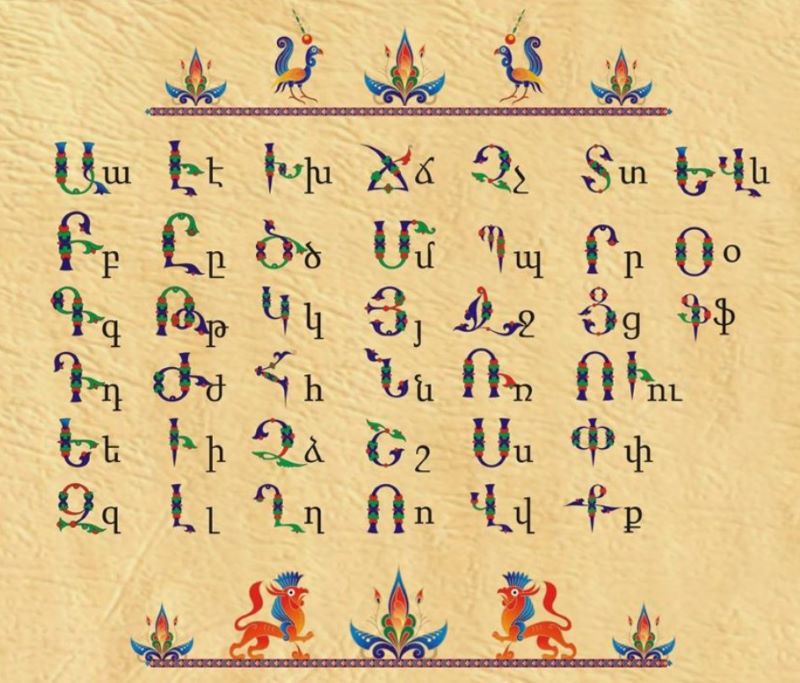
The Armenian alphabet, created in the 5th century by Mesrop Mashtots, became not only the foundation of the nation's written language but also an art form in its own right. For centuries, Armenian scribes and artists embellished its letters with exquisite calligraphy and illuminated miniatures.
In 2019, Armenian letter art and its cultural expressions were inscribed on UNESCO's Representative List of the Intangible Cultural Heritage of Humanity.
The Blacksmithing Craft of Gyumri
The city of Gyumri has long been renowned for its master blacksmiths. The craft of metalworking has been passed down through generations, preserving traditional techniques and artistic skills.
In 2023, the blacksmithing tradition of Gyumri became the newest Armenian element added to UNESCO's Representative List of the Intangible Cultural Heritage of Humanity.
A Heritage That Continues to Live
Armenia is a rare country where UNESCO heritage is not confined to museums. Ancient monasteries continue to hold religious services, families still bake fragrant lavash in traditional tonirs, the haunting melodies of the duduk fill the air, master craftsmen continue carving khachkars, and Kochari is still danced during celebrations.
Traveling through Armenia means discovering not only extraordinary architectural monuments but also a vibrant living culture that has preserved its unique identity for thousands of years. That is why Armenia's UNESCO heritage is not merely a reminder of the past—it is an enduring source of inspiration for future generations.
Recent Posts
Armavir Region
16th Jul, 2026
Kotayk Region
15th Jul, 2026
Vayots Dzor Region
15th Jul, 2026
Ararat Region
14th Jul, 2026