5 May, 2026
Armenian Lavash — ancient symbol of tradition and hospitality
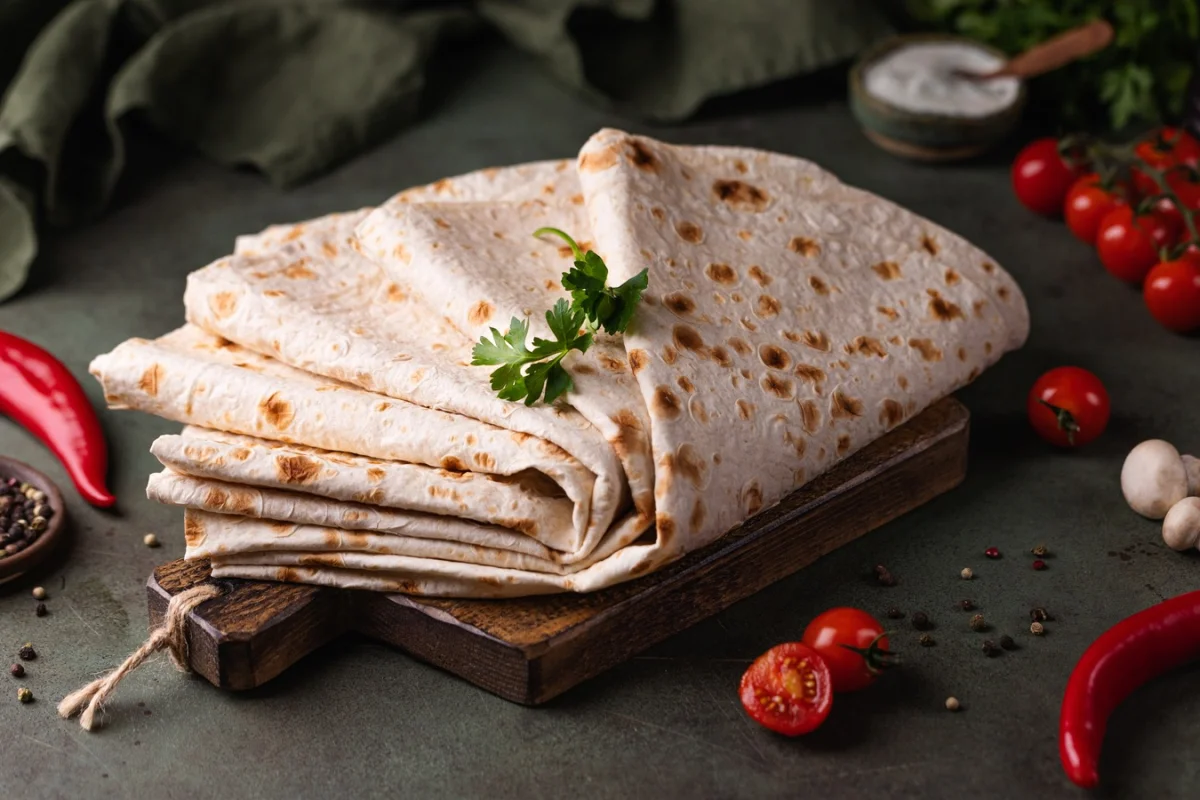
Armenian Lavash is not simply bread. It is a symbol of tradition, hospitality, and ancient craftsmanship passed down from generation to generation. Baked in a clay oven called a tonir , lavash is known for its incredibly thin texture, elasticity, and unique taste that cannot be confused with any other bread.
The History and Symbolism of Lavash
Lavash is one of the oldest types of bread, with evidence of it found even in archaeological excavations. In 2014, lavash baking was inscribed on the UNESCO Representative List of the Intangible Cultural Heritage of Humanity in recognition of its importance in Armenian culture.
In Armenia, lavash is not only food but also part of rituals. At weddings, it is placed on the shoulders of the bride and groom as a symbol of abundance. On the family table, it is always served alongside cheese, herbs, meat, and wine — symbolizing unity and comfort.
The Baking Process — A True Art
Lavash is prepared using only a few ingredients: flour, water, salt, and sourdough. But the most important element is the skill of the hands. The dough is rolled out until almost transparent, then skillfully thrown into the hot oven, where it sticks to the inner wall and bakes in just a few minutes.
Traditionally, several women gather together to bake lavash for the whole family — turning the process into a ritual of communication, songs, and laughter.
Lavash in Modern Cuisine
Thin lavash is ideal for preparing many dishes — from khorovats and khashlama to signature rolls with herbs and cheese. In Armenia, lavash is still stored in dried form and can be revived with steam before serving — making it both practical and long-lasting.
Recent Posts
Armavir Region
16th Jul, 2026
Kotayk Region
15th Jul, 2026
Vayots Dzor Region
15th Jul, 2026
Ararat Region
14th Jul, 2026