

30 Apr, 2026
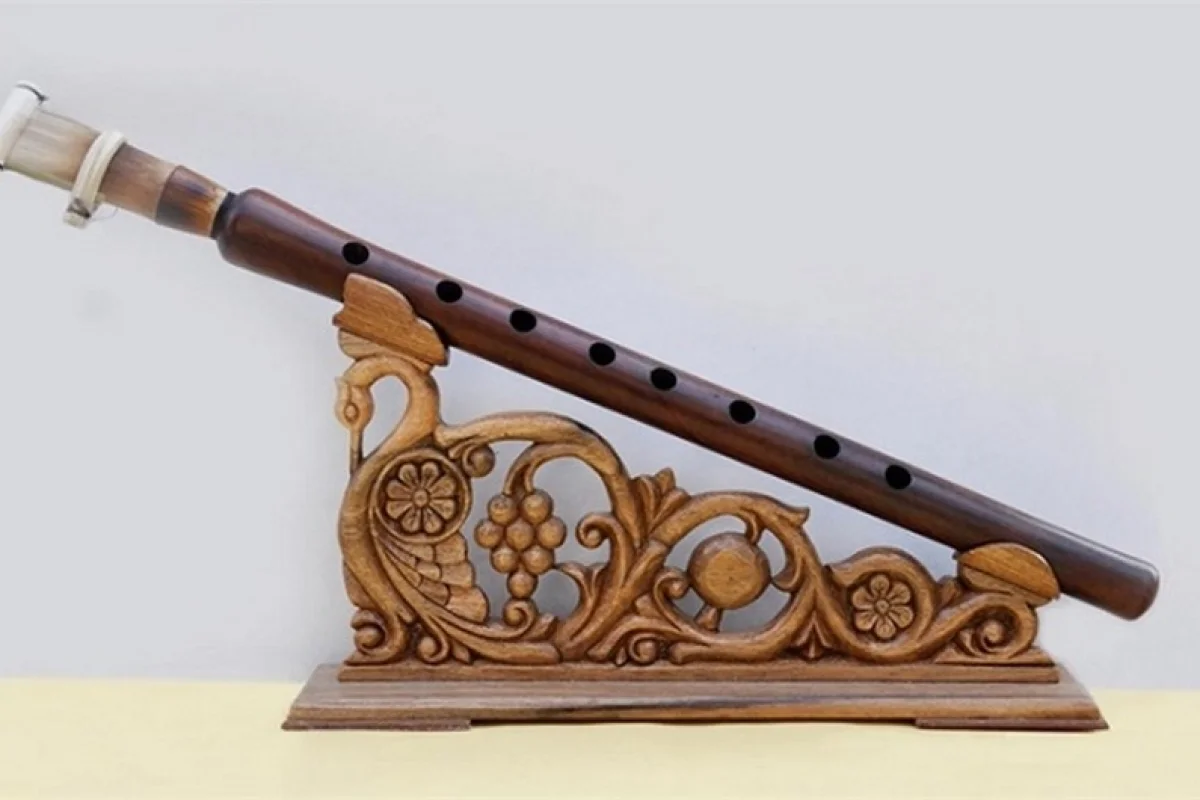
Soul of Armenia in the sound of the duduk
Duduk is not just a musical instrument, but a living embodiment of the soul of the Armenian people and their centuries-old culture. Its soft, warm, and deeply expressive sound can convey the subtlest shades of human emotion — from quiet sadness and nostalgia to joy and hope. It is no wonder the duduk is often called “the voice of Armenia.”
Traditionally made from apricot wood, which is considered a symbol of the country, the duduk has a unique timbre unlike any other instrument in the world. Thanks to this wood, its sound becomes especially velvety, warm, and almost “breathing.” In the hands of a skilled master, the instrument comes to life, turning into a means of expressing feelings that words cannot describe.
The sound of the duduk is inseparably connected with the history of the Armenian people, their joys and tragedies. It accompanies the most important moments of life — national celebrations, weddings, folk dances, commemorative and ceremonial events. At the same time, its melodies often resemble a quiet prayer or a memory of the past, creating an atmosphere of depth and contemplation.
Today, the duduk is recognized worldwide as a unique cultural heritage of Armenia, and its music continues to unite generations, preserving and passing on the country’s rich traditions, spirit, and emotional depth.
Recent Posts

Armavir Region
16th Jul, 2026
Kotayk Region
15th Jul, 2026
Vayots Dzor Region
15th Jul, 2026
Ararat Region
14th Jul, 2026