
3 Jul, 2026
Top 6 museums in Yerevan
1. The Matenadaran
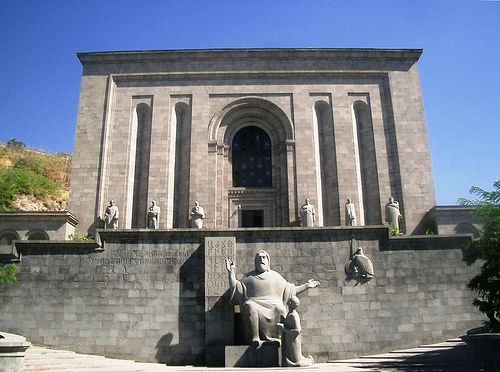
The Mesrop Mashtots Matenadaran is one of the world's largest repositories and research centers for ancient manuscripts. It houses more than 23,000 manuscripts, archival documents, and early printed books in Armenian and many other languages, many of which are included in UNESCO's Memory of the World Register.
The museum's monumental building, constructed between 1945 and 1957 based on the design of architect Mark Grigoryan, reflects the traditions of medieval Armenian architecture. In front of the entrance stands a monument to Mesrop Mashtots, the creator of the Armenian alphabet, and his disciple Koryun, while the façade is adorned with sculptures of outstanding figures of Armenian culture and science.
The permanent exhibition introduces visitors to the history of Armenian writing and the art of manuscript production. It features unique manuscripts, richly illuminated miniatures, ancient Gospels, historical chronicles, as well as medical, philosophical, and scientific works. The Hall of Ancient Maps, dedicated to the history of Armenia and the surrounding region, is of particular interest. Today, the Matenadaran is not only a museum but also a world-renowned research institute, where invaluable written heritage continues to be studied, restored, and preserved.
Working hours:
Tuesday–Saturday: 10:00 AM – 5:50 PM
Address: 53 Mashtots Avenue, Yerevan
2. History Museum of Armenia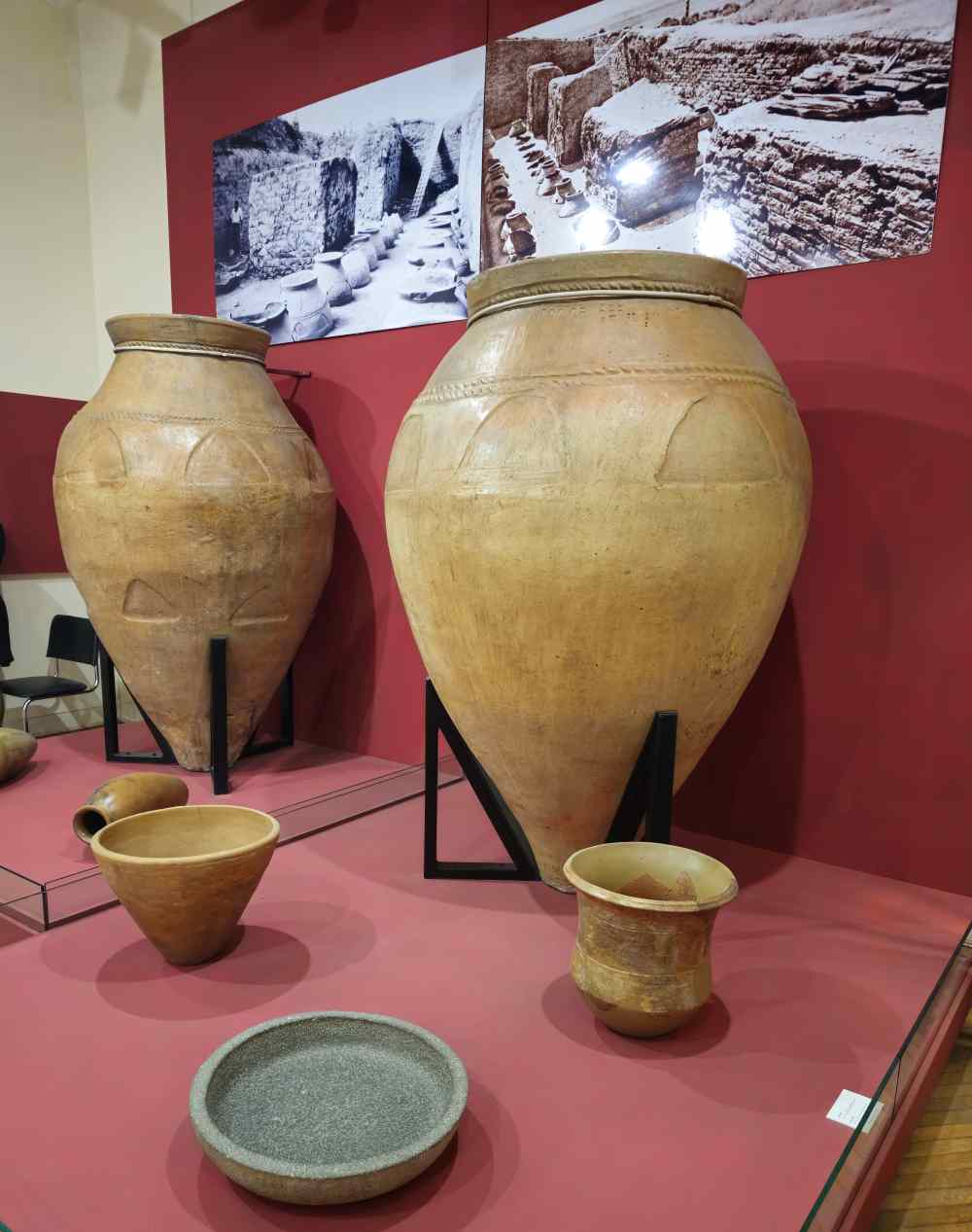
The History Museum of Armenia is one of the country’s most important cultural institutions. For more than a century, it has been engaged in acquiring, collecting, cataloguing, preserving, studying, interpreting, and exhibiting the tangible and intangible cultural heritage related to the history of Armenia and the Armenian people.
The museum’s collection consists of around 400,000 exhibits, including archaeological, ethnographic, numismatic, and other unique artifacts. Its exhibition covers a vast timeline—from the prehistoric era, dating back approximately 1.8 million years, to modern times—offering a comprehensive overview of Armenia’s historical and cultural development.
The museum first opened its doors to visitors on August 20, 1921, and has since remained one of the key guardians of the nation’s historical memory and cultural heritage.
Working hours:
Tuesday–Saturday: 11:00 AM – 6:00 PM
Sunday: 11:00 AM – 5:00 PM
Address: 4 Republic Square, Yerevan
3. National Gallery of Armenia
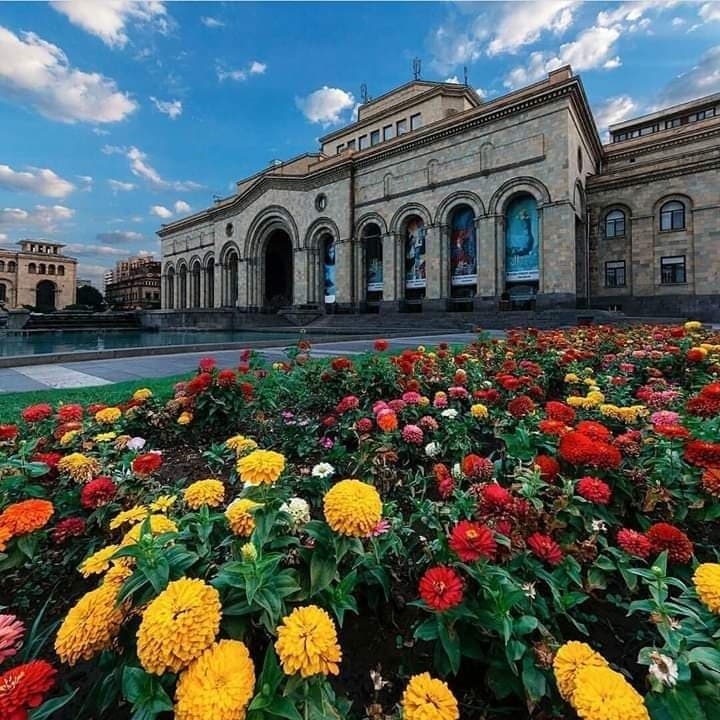
The National Gallery of Armenia is the largest art museum in the country and one of the world’s most extensive collections of Armenian visual art. Founded in 1921, the gallery is one of Armenia’s main cultural centers and an important repository of national artistic heritage.
The museum’s collection includes more than 42,000 exhibits, featuring paintings, graphics, sculptures, decorative and applied arts, and other forms of artistic expression. The collection covers both Armenian and world art, presenting works from the Middle Ages to the present day.
A particularly valuable part of the gallery is its rich collection of works by prominent Armenian artists, as well as pieces by well-known European and Russian masters. The permanent exhibition allows visitors to trace the development of Armenian art over the centuries and become familiar with key stages of global art history.
Working hours: Tuesday–Saturday: 11:00 AM – 6:00 PM
Sunday: 11:00 AM – 5:00 PM
Address: Republic Square, 4, Yerevan
4. Parajanov Museum
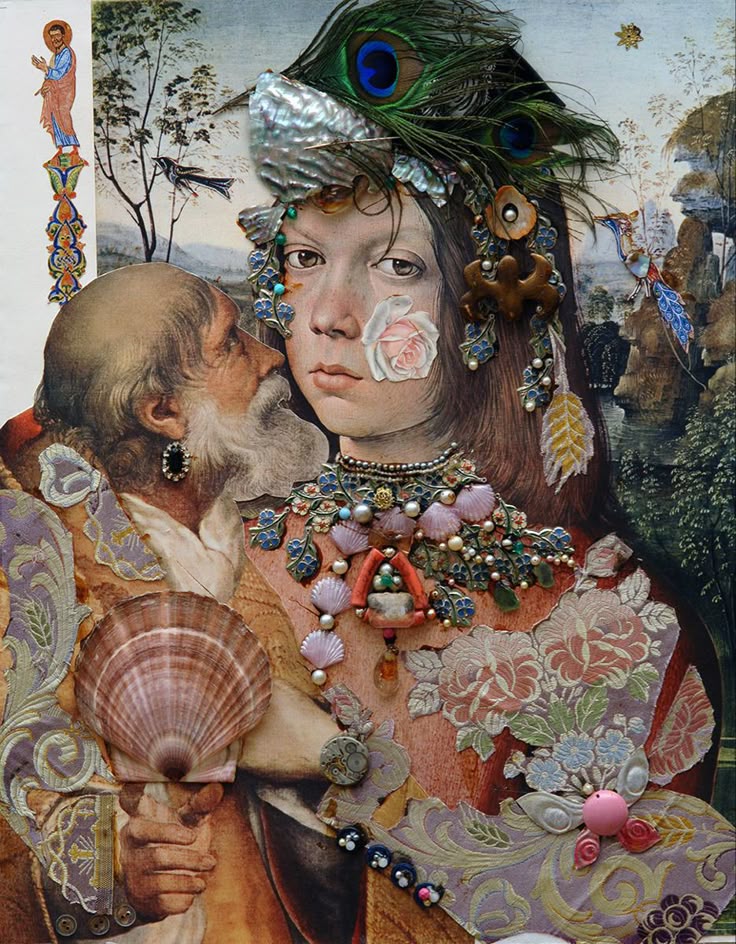
The museum of the world-famous film director, screenwriter, and artist Sergei Parajanov is located in the picturesque Dzoragyugh district of Yerevan.
The idea of creating the museum emerged in 1988 after an exhibition of Parajanov’s works organized by his friend Zaven Sargsyan. During the opening, Parajanov stated that he considered Armenia his third homeland—the land of his roots—where he dreamed of spending the last years of his life. Soon after, it was decided to build a house-museum for him, and Parajanov personally chose the location in Dzoragyugh.
Construction was interrupted by the 1988 Spitak earthquake and only resumed in 1990. However, Parajanov did not live to realize his dream, as he passed away shortly after the work restarted. The museum opened in 1991, on the anniversary of his death, and today it preserves a unique collection of his works, personal belongings, collages, assemblages, and documents, introducing visitors to the multifaceted creativity of the great master.
Working hours:
Monday–Sunday: 10:30 AM – 5:30 PM
Address: 1 Parajanov Street, Yerevan
5. Brandy Ararat Museum
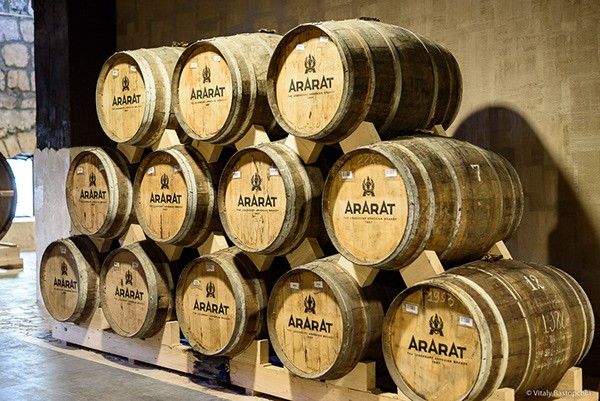
The Brandy Ararat Museum is one of the most popular places to explore the history of Armenian brandy-making art. The exhibition tells the story of Armenian brandy production from the late 19th century, the history of the Yerevan Brandy Company founded in 1887, and the people who contributed to the development of this world-famous brand.
During the tour, visitors learn about traditional brandy production methods, the characteristics of local grape varieties, the distillation process, the aging of spirits in oak barrels, and blending techniques. The museum features historical documents, photographs, vintage equipment, collectible bottles, and various artifacts related to the company’s development.
A highlight of the visit is the legendary barrel gallery, where long-aged brandy spirits are stored, including personalized barrels gifted to famous political figures and global celebrities. The tour ends with a tasting of “Ararat” brandies, allowing guests to experience the rich flavor and aroma of one of Armenia’s national symbols.
Working hours:
Monday–Sunday: 10:00 AM – 7:00 PM
Address: 2 Admiral Isakov Avenue, Yerevan
6. Armenian Genocide Museum-Institute
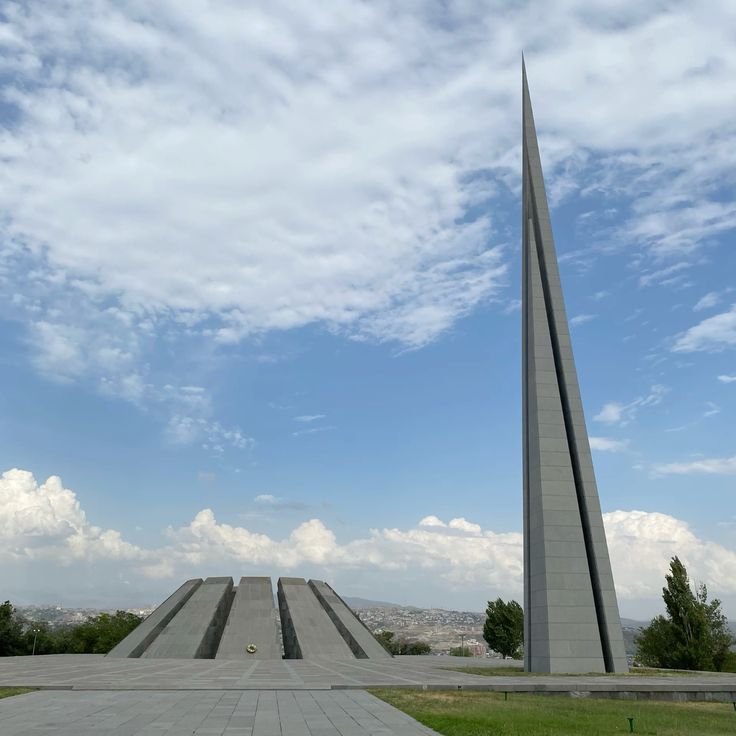
The Armenian Genocide Museum-Institute was opened on April 24, 1995, on the 80th anniversary of the Armenian Genocide, and is part of the memorial complex dedicated to the victims of the 1915 tragedy. It was established based on state decisions from 1994–1995 and has the status of a research institution within the National Academy of Sciences of Armenia. Since then, the museum has become an important center for academic study and documentation of the history of the Armenian Genocide.
The museum is located within the Tsitsernakaberd memorial complex and was built with the support of state funding and Armenian charitable organizations.
The exhibition includes archival documents, photographs, eyewitness testimonies, and materials reflecting the historical context of the events. On the museum grounds, visitors can see engraved quotes from famous humanists and a map of Western Armenia, while the rooftop offers a panoramic view of Yerevan and Mount Ararat.
Working hours:
Tuesday–Saturday: 10:00 AM – 5:00 PM
Sunday: 11:00 AM – 3:00 PM
Address: 8/8 Tsitsernakaberd Highway, Yerevan
Recent Posts
Armavir Region
16th Jul, 2026
Kotayk Region
15th Jul, 2026
Vayots Dzor Region
15th Jul, 2026
Ararat Region
14th Jul, 2026